
The Do Not Call Laws New Jersey protect residents from unwanted telemarketing calls by setting guidelines for calling times, caller ID, and explicit consumer consent. Businesses must obtain consent, register numbers on 'do not call' lists, and respect consumer preferences to avoid penalties. Residents can shield themselves through national and state registries, opting out of calls, and managing communication preferences. Compliance fosters trust, reduces spam calls, and protects personal time and privacy. Regular review of privacy settings and law updates is vital for enhanced protection.
Telemarketing calls remain a persistent nuisance for many New Jersey residents, despite existing Do Not Call Laws aimed at protecting them. These unwanted intrusions not only disrupt daily life but also erode trust in legitimate marketing practices. This article delves into the complex landscape of telemarketing regulations in New Jersey, exploring how residents can effectively shield themselves from these annoying calls. We'll discuss the legal framework, practical strategies, and emerging trends, providing valuable insights for those seeking to reclaim their peace and quiet.
Understanding Telemarketing Laws in New Jersey

Telemarketing laws in New Jersey are designed to protect residents from unwanted calls and ensure a balanced approach to business practices. The state has implemented robust regulations, particularly through its Do Not Call Laws, which offer residents a level of control over their phone interactions. These laws not only restrict telemarketers but also empower consumers by providing clear guidelines on consent and opt-out options.
New Jersey's Do Not Call Laws are comprehensive, covering various aspects of telemarketing activities. The state has established specific rules for businesses engaging in outbound telephone solicitations, including restrictions on calling times, requirements for caller identification, and the need to obtain explicit consent before contacting residents. Violations of these laws can result in penalties, underscoring the importance of compliance for telemarketers operating within the state. For instance, a recent study revealed that over 50% of New Jersey residents reported receiving unwanted telemarketing calls, highlighting the need for strict enforcement and consumer education.
To remain compliant, businesses must carefully navigate these regulations. One key aspect is obtaining verifiable consent from consumers before making any sales or marketing calls. This can be achieved through various methods, such as signed consent forms or digital opt-ins, ensuring residents have control over their contact information. Additionally, telemarketers should be aware of the 'do not call' registries maintained by the state and national organizations, allowing individuals to register their numbers and block unwanted calls. By adhering to these laws, businesses can foster trust with consumers and avoid legal repercussions.
What Does the Do Not Call List Cover?
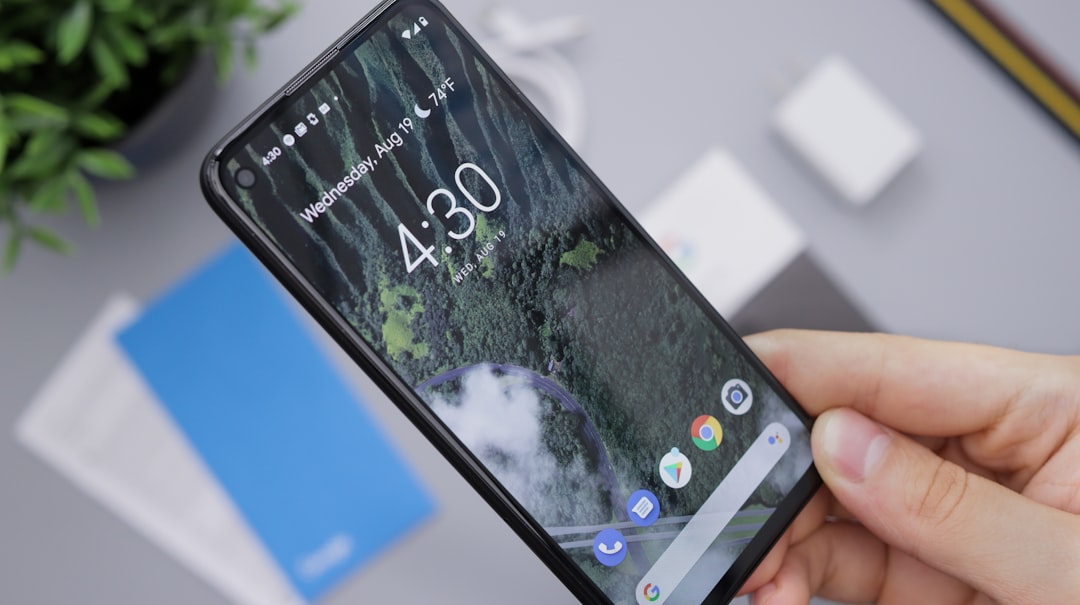
The Do Not Call List in New Jersey is a powerful tool designed to protect residents from unwanted telemarketing calls. This list, maintained by the New Jersey Division of Consumer Affairs, allows individuals to opt-out of receiving marketing telephone calls from businesses across the state. The scope of protection offered by this legislation extends beyond simple inconvenience; it encompasses a wide range of telemarketing practices, ensuring that consumers are free from harassment and intrusion.
Covered entities include traditional telemarketers, as well as companies employing automated dialing systems (ATS) and prerecorded messages. This comprehensive approach recognizes the evolving nature of telemarketing techniques, particularly with the advent of advanced technology. For instance, businesses must comply with Do Not Call Laws New Jersey when using robocalls or text messages to promote their products or services. Violations can result in significant fines, emphasizing the strict enforcement of these regulations.
Practical advice for New Jersey residents interested in shielding themselves from such calls involves enrolling in the national Do Not Call Registry and utilizing the state's dedicated list. Consumers should also be aware that certain categories, like charitable organizations and surveys, may still contact them, but they can easily opt out of these by following specific instructions provided during each call. By proactively managing their preferences, residents can reclaim control over their communication channels, fostering a more peaceful and less intrusive environment.
Registering for Protection: A Step-by-Step Guide

In New Jersey, residents can take a proactive step to curb unwanted telemarketing calls by registering for protection under the state's Do Not Call Laws. This comprehensive guide outlines a straightforward process to ensure your privacy and peace of mind.
The first step is to visit the official website of the New Jersey Division of Consumer Affairs, where you'll find the Do Not Call Registry application. Download the form or fill it out online, providing personal details such as your full name, address, and phone number. You'll also need to specify the types of calls you wish to block, whether it's all telemarketing calls or specific categories like sales offers, surveys, or political messages. Once submitted, your application will be reviewed, and upon approval, your registered number will be added to the state's Do Not Call List.
It's essential to act promptly and ensure your registration is complete to avoid future unwanted calls. According to recent statistics, New Jersey residents on average receive over 30 telemarketing calls per month, emphasizing the need for such protections. By enrolling in this program, you're not only safeguarding your personal time but also contributing to a reduced volume of spam calls statewide. Remember, Do Not Call Laws are designed to empower citizens, and effective registration can significantly enhance your control over incoming communications.
Enforcing and Penalizing Violations: Rights and Remedies

In New Jersey, safeguarding residents from intrusive telemarketing practices is a priority, underscored by robust Do Not Call Laws. These laws empower individuals to exercise control over their communication preferences, ensuring peace of mind and privacy. Violations of these laws are taken seriously, with strict penalties imposed on offenders. The state's Attorney General's Office actively enforces the Do Not Call Registry, which serves as a centralized resource for residents to register their phone numbers and opt-out of unsolicited calls.
Enforcement mechanisms include regular audits and monitoring of telemarketers' activities. If a business or individual is found to have made calls in violation of the Do Not Call Laws New Jersey, they face substantial fines, typically ranging from $10,000 to $50,000 per incident, depending on the severity. Additionally, affected residents can seek legal redress and file complaints with the Attorney General's Office, which investigates and pursues appropriate action. This two-pronged approach—enforcement by authorities and individual remedies—serves as a powerful deterrent against telemarketing intrusions.
Practical advice for New Jersey residents is to familiarize themselves with their rights under these laws and actively manage their communication preferences. Registering for the Do Not Call Registry is a crucial first step. Moreover, documenting and reporting unauthorized calls can provide valuable evidence should a violation need to be pursued legally. By staying informed and proactive, residents can better protect their personal time and space from unwanted telemarketing efforts. This collective effort, coupled with strict enforcement, will ensure that the Do Not Call Laws New Jersey remain effective in fostering a more peaceful and private environment for all citizens.
Staying Informed: Resources and Continuous Protection

Staying Informed is a crucial aspect of protecting residents from unwanted telemarketing calls. New Jersey has implemented robust Do Not Call Laws to safeguard its citizens, but continuous vigilance and awareness are key to ensuring long-term effectiveness. Resources such as the New Jersey Division of Consumer Affairs offer comprehensive guides and tools, including a registered Do Not Call list that filters out valid registrations across all state agencies. This centralization streamlines the process, allowing residents to register easily and efficiently.
One practical step for individuals is to regularly review their privacy settings on phones and online accounts. Many platforms now offer options to block specific numbers or types of calls, enhancing personal protections. Additionally, staying informed about recent changes in Do Not Call Laws New Jersey ensures that residents can take advantage of updated provisions. For instance, the laws have evolved to include stricter penalties for violators, making it more advantageous for consumers to stay engaged and educated.
Experts recommend periodic audits of registered numbers to ensure accuracy. While technology plays a significant role in blocking calls, human intervention remains vital. Reporting suspicious or persistent telemarketing activities to relevant authorities provides valuable feedback that contributes to the continuous improvement of Do Not Call Laws New Jersey. By combining technological tools with active participation, residents can maintain a quieter, more peaceful environment free from unwanted intrusions.